
The best mobility scooter is the one that matches your weight and daily distance to your environment. Price tags alone won’t tell you whether a model will hold up over years of use. Most people comparing options online are shopping for an aging parent, a spouse with limited stamina, or someone navigating a recent drop in walking ability. A handful of specs decide whether a scooter lasts, and skipping them is the main reason for expensive returns.
How Mobility Scooters for Sale Differ from Each Other
Three Categories Based on Real Use
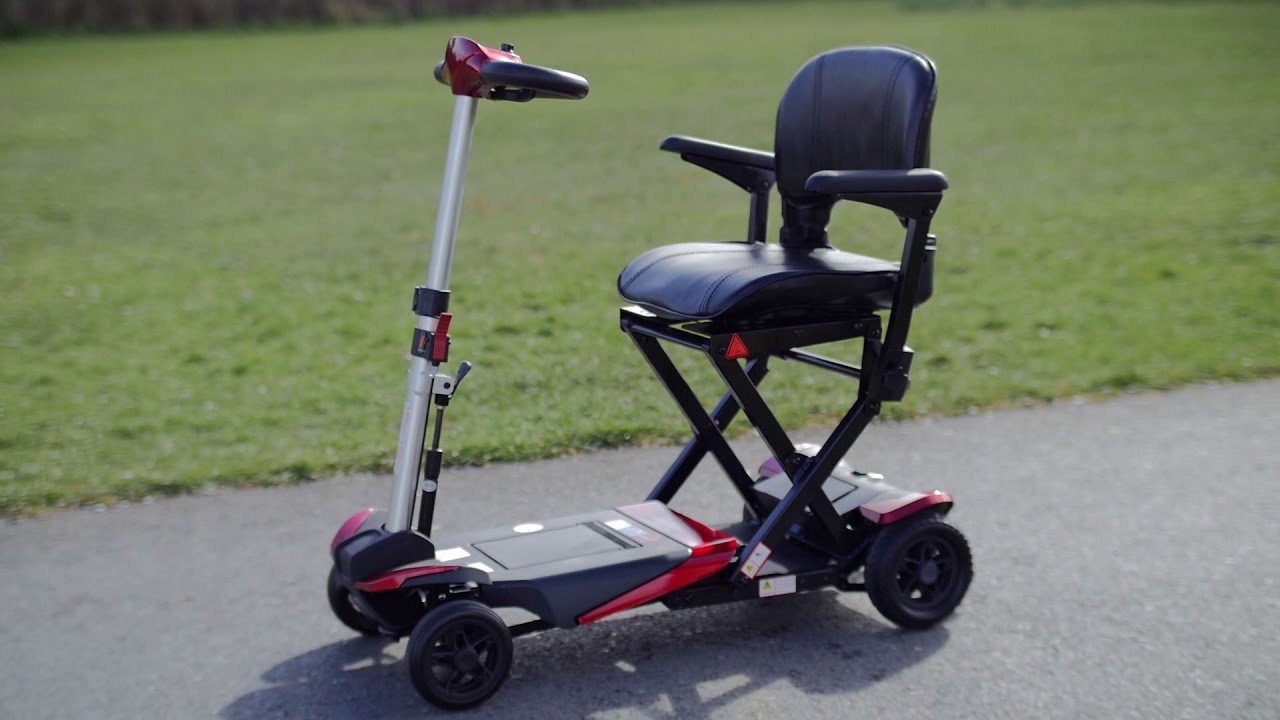
Mobility scooters fall into three working categories based on use. Lightweight travel models under 70 lbs handle short trips and fold into a sedan trunk. Full-size 4-wheel scooters give wider seats and longer range for neighborhood errands. Heavy-duty models support riders above 350 lbs on larger motors built for rough outdoor terrain.
Quick Comparison
| Type | Weight Capacity | Range Per Charge | Best For |
| 3-Wheel Travel | 250 to 330 lbs | 8 to 14 miles | Apartments, indoor stores, and car trunk transport |
| 4-Wheel Full-Size | 300 to 400 lbs | 15 to 20 miles | Sidewalks, daily errands, parks |
| Heavy-Duty Outdoor | 400 to 500 lbs | 20 to 30 miles | Grass, gravel, rural areas |
A foldable 3-wheel option like the Hoverfly T3 folding mobility scooter weighs around 60 lbs, which makes it realistic to lift into the back of a hatchback without a second person.
Specs That Decide Whether a Scooter Actually Fits
Weight Capacity
Pick a capacity at least 10 percent above your own weight, plus anything you usually carry on the seat. Running right at the rated limit strains the motor on inclines and shortens battery life by months. Most 4-wheel models built for senior adults handle 300 to 400 lbs comfortably for daily use.
Battery Type and Air Travel
Sealed lead-acid (SLA) batteries cost less and can travel in airline cargo without removal. Lithium-ion is lighter, lasts longer, and recharges faster, but airlines treat it differently. The FAA’s PackSafe rules cap lithium-ion mobility batteries at 300 watt-hours, with one spare up to 300 Wh or two spares up to 160 Wh each allowed in carry-on baggage.
For full-day outdoor errands without recharging midway, a model such as the Hoverfly T5 4-wheel mobility scooter delivers up to 16.8 miles of range on a removable LiFePO4 pack with anti-tip rear wheels for outdoor stability.
Real Range vs Label Range
Manufacturer range numbers reflect lab testing on flat surfaces with an average-weight rider. Real-world range usually runs 20 to 30 percent shorter than the label. Slopes, low temperatures, and rider weight close to the rated limit each take a noticeable bite out of mileage per charge.
What Medicare and Insurance Will Pay For
Medicare Part B treats mobility scooters as durable medical equipment (DME) when a doctor confirms you cannot safely walk at home with a cane or walker. After the Part B deductible, Medicare covers 80 percent of the approved cost, and the buyer pays the remaining 20 percent. Power-operated models usually need prior authorization, and the scooter must come from a Medicare-enrolled DME supplier.
Private insurance varies. Some plans follow the same DME process; others require their own pre-approval forms. A short call to the insurer before purchase saves the trouble of denied reimbursements later.
FAQs
How much do mobility scooters for sale usually cost?
Most fall between $600 and $5,500. Travel folding models start around $600 to $1,500, full-size 4-wheel scooters run $1,500 to $3,000, and heavy-duty outdoor scooters reach $3,000 to $5,500, depending on motor power, suspension, and weight capacity.
What’s the difference between a 3-wheel and a 4-wheel mobility scooter?
A 3-wheel scooter turns tighter, fitting narrow apartment hallways and grocery aisles. A 4-wheel scooter trades that tight radius for better stability on uneven outdoor surfaces and higher weight capacity, making it the safer pick for daily outdoor use.
Can I bring a mobility scooter on a plane?
Yes. Airlines allow mobility scooters with FAA-compliant batteries. Lithium-ion packs must be removed and carried in the cabin, capped at 300 watt-hours per battery. SLA batteries stay attached and ride in cargo. Notify your airline at least 48 hours ahead of departure.
Does Medicare cover a mobility scooter?
Sometimes. Medicare Part B covers 80 percent after the deductible when a doctor confirms medical necessity for in-home use and a Medicare-enrolled supplier handles the order. Coverage applies to indoor mobility, not travel or recreational riding.
How far can a mobility scooter go on a full charge?
Most travel 8 to 30 miles. Travel scooters average 8 to 14 miles, full-size models cover 15 to 20 miles, and heavy-duty scooters reach 20 to 30 miles. Hills, cold weather, and a heavy rider near the upper weight rating all shorten that number.
Do you need a license for a mobility scooter?
No. Mobility scooters are recognized under the Americans with Disabilities Act and need no license, registration, or insurance in the US. They can go anywhere pedestrians can. Some states set a minimum operator age, so check local rules before letting a teen use one.
Summary
Choosing among mobility scooters for sale comes down to matching weight capacity, range, and battery type to how the scooter will actually be used. Travel scooters suit transport-heavy lifestyles. Full-size 4-wheel models cover most senior daily routines, while heavy-duty scooters take on outdoor terrain that lighter models can’t. Confirming Medicare or insurance coverage early and verifying battery specs before any flight prevents costly missteps and helps the scooter deliver real day-to-day independence.