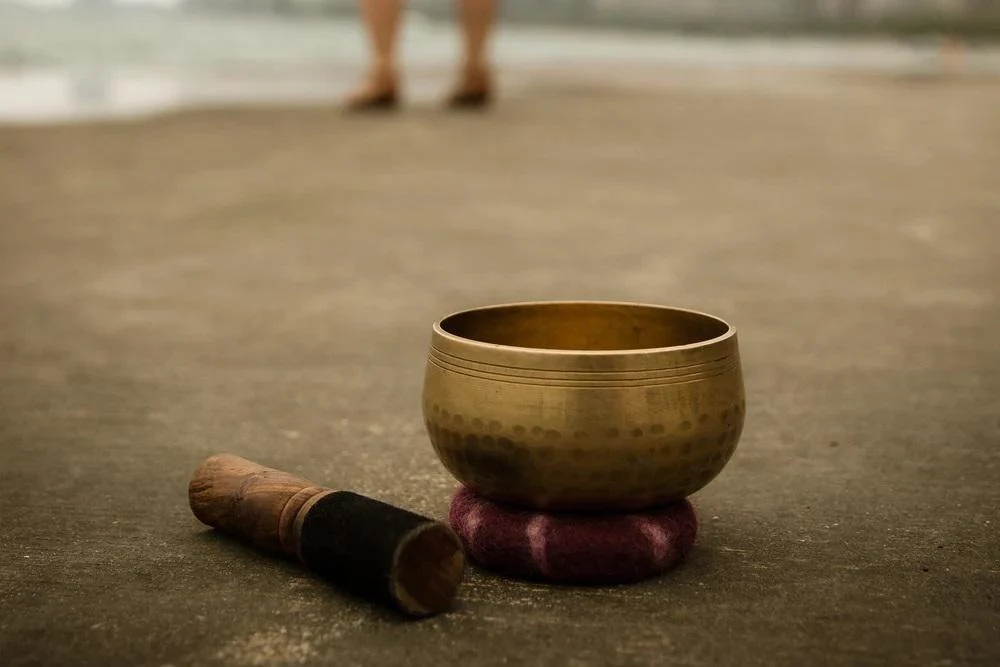

Authenticity requires more than surface appeal. After more than 10 years studying instrument origins and manufacturing changes, I compare craftsmanship, materials, age, sound, and seller records before forming an opinion.
Geographic labels also need care. Tibet has officially been part of China since 1950, so claims about origin may carry complex meaning. “Made in Tibet” alone offers limited proof.
Traditional signs include hand-hammered surfaces, bronze composition, balanced design, natural wear, and resonant sound. Price matters, too, yet low or high cost never proves authenticity by itself. Trustworthy seller information adds useful context.
No organization currently certifies Tibetan singing bowls. Buyers therefore need several independent clues instead of relying on color or decoration. Modern bowls may differ from historic forms while still supporting healing, meditation, and related benefits.
This guide presents practical checks for comparing bowls before purchase. The goal remains clear: assess craftsmanship, history, origin, and use together, then make an informed choice with confidence.
What Makes a Tibetan Singing Bowl Authentic?
Authenticity rests on history, materials, and making methods. Surface beauty alone offers little proof. Buyers should first decide whether age, regional origin, or traditional work matters most.
Traditional Craftsmanship Versus Modern Production
Traditional hammering used three workers and one foreman. Together, they heated one metal disc, struck it in rhythm, and rotated it into shape. This demanding process created slight marks and varied thickness. Such details often reflect hands-on craftsmanship.
Modern factories often pour molten metal into molds. This method produces uniform instruments at speed. It does not make every newer piece poor, but it differs from work traditionally made by Himalayan artisans.
Why Authenticity Depends on Your Definition
Some experts reserve the term for pieces 50–60 years old. Others accept newer bowls made with older regional methods. Western interest expanded during the 1960s, when the seven-metal idea gained wider popularity.
- Historical material: bronze, formed mainly from copper and tin.
- Occasional addition: iron joined the alloy in some examples.
- Practical view: resemblance to documented forms matters more than one fixed recipe.
How can you tell if a Tibetan singing bowl is authentic?
Use several clues together before paying. One mark rarely proves genuine origin. Stronger judgments come from construction, design, wear, material, sound, price, and seller records.
Start with close inspection under clear light. Review the rim, inner curve, outer surface, weight, color, inscriptions, patina, and overall quality. Uneven details may reflect handwork, while perfect symmetry often points toward factory production.
Key Signs to Check Before You Buy
- Construction: Look for varied hammer marks and subtle thickness changes.
- Design: Simple forms usually fit older Himalayan styles better than elaborate decoration.
- Price: An item near $30 rarely reflects traditional hand-hammering. Cost alone, however, proves little.
- Seller evidence: Request origin details, workshop records, clear photos, and return terms.
Sound deserves patience. Skilled players may hear dozens or even hundreds of examples before judging tone with confidence. Beginners should treat sound as one clue, not the only test.
For online shopping, save listing photos and compare several offers. This repeatable process helps separate genuine claims from artificial aging, vague geography, and polished marketing.
Inspect the Bowl for Hand-Hammered Marks
Craft details often reveal more than shine or color. Traditional shaping starts with heated metal discs, often called blanks. A foreman turns each disc while workers strike it in steady rhythm. This process creates subtle changes in thickness and form.
Surface Imperfections That Suggest Artisan Work
Small hammer marks, shallow dents, and uneven patterns may support hand production. Look across both inner and outer surfaces. Natural variation should appear scattered, not stamped in one repeating design.
Why Smooth Metal May Signal Molded Work
Perfectly smooth walls and identical polish may point toward factory methods. Molten metal gets injected into molds, producing highly uniform results. Such bowls may still offer good sound, yet their process differs from traditional craft.
Rim, Shape, and Weight Clues
Check the rim for stable thickness and rounded edges. Extreme thinness or sharp sections raise quality concerns. Compare weight, shape, wall thickness, and visible hammer marks together. One detail alone rarely proves origin.
| Feature | Hand-worked sign | Possible molded sign |
| Surface | Small irregular marks | Uniform polish |
| Rim | Steady, rounded edge | Identical sharp profile |
| Form | Minor asymmetry | Perfect symmetry |
Examine the Metal and Alloy Composition
Metal composition offers more value than surface shine. For each Tibetan singing bowl, inspect alloy details beside visible craft marks. Composition supports quality, yet it never proves origin alone.
Historic pieces relied mainly on bronze, an alloy formed from copper and tin. Iron sometimes joined this mix. Bronze often shows brown tones, while brass tends toward yellow, golden, or silvery shades under similar light.
Bronze, Brass, and Traditional Metal Differences
Brass uses copper and zinc. Historical evidence does not place zinc among traditional Tibetan metals. Therefore, brass-only construction deserves caution. Polish, lighting, and surface wear may change color, so visual difference alone cannot settle origin.
What to Know About the Seven-Metal Myth
The seven-metal idea gained wider attention after Western interest grew during the 1960s. It does not represent one universal rule. Added metals may appear below 1 percent, making laboratory claims difficult to judge without context.
- Review alloy notes.
- Compare bronze color with surface texture.
- Assess metal quality beside hammer marks and sound.
Any bowl made from mixed metals needs broader review. Two singing bowl examples may share similar color yet differ in craft, age, and value.
Consider the Bowl’s Geographic Origin
Place names offer useful context, yet they do not prove heritage. Traditional production grew across the Himalayan range and nearby Buddhist regions. China, Nepal, Bhutan, India, and Tibet all belong in this wider geographic discussion.
Traditional Himalayan Production Regions
Tibet has officially been part of China since 1950. Therefore, “Made in China” does not automatically disqualify Tibetan singing bowls. A regional label needs support from craft details, sound, and seller records.
Nepal now leads present-day production of hand-hammered traditional bowls. Indian and Bhutanese workshops also serve collectors, meditation centers, and sound practitioners. Broad terms such as “Himalayan” provide limited value without clear sourcing.
- Ask for specifics: Request workshop, city, artisan group, or supply-chain details.
- Review the claim: Compare stated origin with surface marks and construction.
- Check the sound: Use tone and sustain as supporting evidence.
- Stay cautious: A location label alone cannot establish genuine history.
Geographic origin strengthens an overall assessment. Still, physical inspection and sound testing remain essential before purchase.
Look Closely at Engravings and Decorative Designs
Decorative detail often reflects modern market demand rather than older workshop practice. Traditional singing bowls usually favor plain metal, restrained form, and visible handwork. Surface simplicity offers useful historical context.
Why Elaborate Etching Is Usually Not Traditional
Many historic pieces show no detailed imagery, repeated mantras, or rich interior designs. One singing bowl may carry brief hand-etched text, such as an owner’s name, deity name, or short prayer. Such wording adds context, yet it does not establish age or origin.
Modern workshops may use nitric acid to create sharp patterns and attractive symbols. This technique reflects skilled craftsmanship, but it often differs from older, plain styles. Buyers should separate visual beauty from historical evidence.
- Elaborate imagery often suits present-day spiritual markets.
- Repeated text may signal recent decorative production.
- Plain metal with scattered hammer marks better fits documented traditional forms.
- The absence of decoration alone proves nothing.
Decorated bowls may offer excellent sound and appeal. Still, design should remain one clue among material, wear, construction, and seller records.
Assess the Bowl’s Age, Patina, and Wear
Age leaves layered evidence across metal, not one dark patch. Natural wear develops through years of use, storage, and handling. Older pieces often show varied color, soft oxidation, and small changes around the rim, base, and interior.
Natural Handling Marks and Antique Surface Changes
Uneven patina, mild oxidation, and interior cracks may support long use. Compare marks across every section rather than trusting one darkened area. Cracks may lower value and affect playability, even when the vessel has genuine age.
Antique singing bowls usually describe pieces at least 50 years old. Claims about age deserve provenance, old photographs, purchase records, or workshop details. One person’s memory helps, yet written evidence offers stronger support.
How Artificial Aging Can Mislead Buyers
Some sellers dip metal in acid to create rapid discoloration. This treatment may imitate an antique surface without decades of ceremonial or personal use. Chemical aging often looks abrupt, heavy, or inconsistent around edges.
Authenticity and condition remain separate concerns. An old bowl may be genuine but unstable or unsuitable for healing practice. Review wear, structure, and seller evidence before purchase.
Test the Sound, Sustain, and Harmonics
Resonance reveals qualities that visual checks may miss. Listen for depth, layered harmonics, steady sustain, and gradual fade. Bright noise, weak vibration, or an abrupt stop may suggest poor quality, though sound alone cannot prove age or origin.
What to Listen for in a Strong Instrument
During an in-person test, strike the rim gently with the proper mallet. Then circle the edge at an even pace. Notice tonal complexity, volume balance, and the length of the ring. High-quality singing bowls often produce deep, rich tones that unfold over time.
“Listen first, then judge.”
Beginners need patience. Skilled players may hear dozens or hundreds of instruments before judging origin by sound alone. Pleasant resonance supports meditation and healing, yet it remains only one clue.
Requesting an Audio Demonstration
Online shoppers should request live video, an unedited recording, or an in-person trial. Watch for distortion, background noise, uneven volume, or cuts. Reviews may add context, but direct audio offers stronger evidence.
For added detail, use a sound-spectrum analyzer to review frequencies and harmonics. This tool supports comparison, but it cannot verify history or workshop origin.
Use Weight and Construction Quality as Clues
Size and weight provide useful clues during inspection. Medium singing bowls usually measure about 5–8 inches. Their compact form supports balanced handling and easy storage. Large pieces often reach 9–12 inches and create deeper projection.
Heavier metal often produces deeper, steadier sound. Very light pieces may use thin walls, which sometimes point toward mass production. Weight alone offers no final answer, since factory-made bowls may also feel substantial.
- Check whether the rim remains even and smooth.
- Place the piece on a flat surface to test base stability.
- Study shape changes without expecting perfect symmetry.
- Compare wall thickness with scattered hammer marks.
- Hold the vessel to notice vibration, balance, or sharp edges.
Good craftsmanship appears through several details working together. A heavy bowl may still show machine production, while lighter work may reflect careful hand forming. Review construction beside sound, alloy notes, origin claims, and seller records. This broader check gives buyers stronger evidence of lasting quality.
Understand What Price Can and Cannot Tell You
Price offers useful context, yet it never proves origin. Cost reflects metal, labor, size, age, seller margins, and market demand. Compare price with construction, materials, sound, reviews, and sourcing details.
Why Very Cheap Bowls Are Often Mass-Produced
Items near $30 rarely represent hours of skilled hand-hammering. Most pieces below $25 use molds or factory methods. Transparent sellers rarely list genuine handcrafted work below $80.
Typical handmade prices rise with size. Small pieces often cost $100–$150. Medium designs may reach $150–$300, while large work often falls between $300 and $800. Antique examples may sell for about $500–$2,000, though high cost does not prove age or provenance.
- Review alloy details and surface marks.
- Request clear audio before purchase.
- Check return terms and seller reviews.
- Compare several listings before paying.
Some sellers inflate prices to exploit buyers. A lower-cost choice may still support meditation or healing benefits when tone and personal practice matter most. Focus on quality and intended use, not status alone.
| Price range | Likely production | Best buyer check |
| Under $25 | Usually machine-made | Review mold marks and return terms |
| $100–$800 | Possible handmade work | Confirm size, labor, and sound |
| $500–$2,000 | Possible antique | Request provenance and age evidence |
Research the Seller Before Purchasing
Seller records add context that metal and sound alone cannot provide. Reliable shops explain origin, materials, workshop methods, and craftsmanship. Clear details also show whether artisans or factories managed the process.
Before checkout, read product descriptions with care. Strong listings show individual photos, serial details, workshop notes, and sound recordings. Generic images and broad claims deserve caution.
Reviews, Sourcing Details, and Guarantees
Study reviews for comments on sound quality, delivery, construction, product accuracy, and dispute handling. Recent reviews often reveal patterns that older praise may miss. One person’s report offers limited proof, while repeated feedback gives stronger insight.
- Check origin details beside visible marks.
- Seek clear terms behind every authenticity claim.
- Compare reviews across several platforms.
Return Policies and Buyer Protection
Read the return window, shipping duties, restocking fees, and damage rules. Credit cards and PayPal may provide added protection when delivered singing bowls differ from listings.
| Seller signal | Positive sign | Warning sign |
| Evidence | Photos, records, sound clips | Generic catalog images |
| Reviews | Detailed buyer experiences | Vague praise only |
| Returns | Clear refund window | Hidden fees or no policy |
Choose a Trustworthy Source for Authentic Singing Bowls
Reliable sourcing adds context that metal, shape, and sound cannot provide alone. Specialty retailers and fair-trade groups often share workshop records, material notes, artisan payment details, and return terms.
Specialty Retailers and Fair-Trade Organizations
Nepal leads current production of hand-hammered traditional bowls. Bhaktapur and Patan rank among its best-known craft areas. Review each listing for bronze or alloy details, sound samples, close photos, and recent customer reviews.
Mindful Store reports direct work with workshops in the Nepalese Himalayas. Its team personally selects hand-forged pieces. Instruments du Monde offers seven-metal models made with traditional manufacturing methods for shoppers seeking that alloy tradition.
Buying Directly From Himalayan Artisans
Direct contact may reveal workshop skill, tool use, and production history. Travel to Nepal or Tibet remains unnecessary for most buyers. A clear video, fair pricing, and written origin details provide useful access from home.
Any bowl made for meditation or healing should also meet personal sound and quality needs. Compare craftsmanship, seller policies, and intended benefits before purchase.
| Source | Useful evidence | Buyer focus |
| Fair-trade retailer | Workshop and payment records | Returns and reviews |
| Himalayan workshop | Direct craft details | Shape and sound |
| Specialist dealer | Bronze or alloy notes | Craftsmanship and price |
Are Antique Singing Bowls More Authentic?
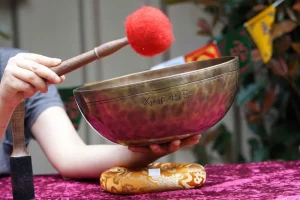
Age may support historical value, yet it never proves genuine origin. Some experts classify an authentic piece as 50–60 years old. In common trade use, antique usually means 50 or more years old. Older antique singing bowls may predate recent mass-market growth, which adds historical interest.
Still, age claims need proof. Sellers may use chemicals to create dark patina or present recent work as old. Inspect handling wear, cracks, rim condition, surface shifts, and construction. Look for records, prior ownership details, or workshop history before accepting an antique claim.
- Rare examples may cost $500–$2,000, based on provenance, condition, and sound.
- Natural wear should appear gradual across several areas.
- Sharp, heavy discoloration may suggest artificial aging.
New hand-forged work from an established Himalayan workshop may offer safer evidence than an unsupported online listing. This applies to any tibetan singing claim, including one attached to an old-looking singing bowl.
Historical age and enjoyable tone remain separate choices. Select each bowl according to documented evidence, intended practice, and personal preference.
Does Authenticity Affect Meditation and Healing Benefits?
Historical status does not set the value of every wellness session. Quartz crystal instruments, unlike traditional metal forms, also appear in research and modern sound therapy. Relaxation, yoga, spiritual work, and meditation often depend more on comfort, intention, and steady use.
Many singing bowls offer long sustain and calming tones. These features may matter more during meditation than date or seven-metal claims. Sound, player technique, room setting, and personal response shape each experience. Research on healing remains mixed, so view these practices as supportive rather than medical care.
Why Sound Quality and Personal Practice Matter
Chakra systems link 396 Hz, 417 Hz, 528 Hz, 639 Hz, 741 Hz, 852 Hz, and 963 Hz with seven energy centers. Such tuning ideas may guide choice, yet frequency claims do not prove historical origin.
- Practical benefit: Select pleasing, stable resonance.
- Traditional benefit: Bronze tones may support relaxation and sound work.
- Modern option: Quartz or factory-made forms may suit budget and preference.
Choose the difference between historical value and practical usefulness with care. Consistent meditation, safe listening levels, and preferred tones often shape lasting healing benefits more than age alone.
How to Make a Confident Singing Bowl Purchase
Smart buying starts with proof, not promises. Compare several options before paying. Inspect hammer marks, weight, rim shape, and surface texture. Request an individual sound sample recorded in clear conditions.
Medium bowls measuring 6–8 inches offer an easy starting point. Their size suits meditation, healing sessions, travel, and daily practice. Test comfort in both hands before choosing.
- Review bronze or alloy details, workshop notes, and construction photos.
- Treat any “bowl genuine” claim as marketing until reviews and records support it.
- Confirm tuning information, shipping protection, return terms, and payment safeguards.
- Choose quality over ornate decoration or an unusually low price.
Tool choice also shapes results. A suede-wrapped mallet works well for rimming and creates a steady tone. A wooden mallet usually performs better for gentle striking.
For beginners, high-quality singing performance matters more than status. Select instruments with comfortable handling, transparent sourcing, and sound suited to meditation or healing goals. This practical way supports confident choices and reduces costly surprises.
Conclusion
Sound judgment grows from several clues, not one promise. Check hand-hammered marks, bronze content, Himalayan sourcing, natural wear, tone, and seller records together. Smooth metal, brass-only work, ornate modern etching, or an unexplained bargain deserve more questions.
No institution certifies Tibetan singing bowl forms or their metal mix. An authentic claim needs evidence from construction, history, reviews, and return terms. Antique status may add value, yet documented new hand-forged work often offers safer proof than unsupported age.
For meditation and healing, choose stable resonance, long sustain, and practical comfort. These benefits depend on personal goals, budget, and experience. Compare several options before purchase.
- Review materials and origin.
- Request clear sound samples.
- Confirm shipping and return terms.
Careful research supports wiser, longer-term ownership of antique singing bowls.